Dracula Chimaera Has 150 Wild Records and 13 of Them Are in Britain
There are 150 GBIF records for Dracula chimaera. Colombia holds 66 of them, which is where the plant lives. The United Kingdom holds 13, which is where it does not.
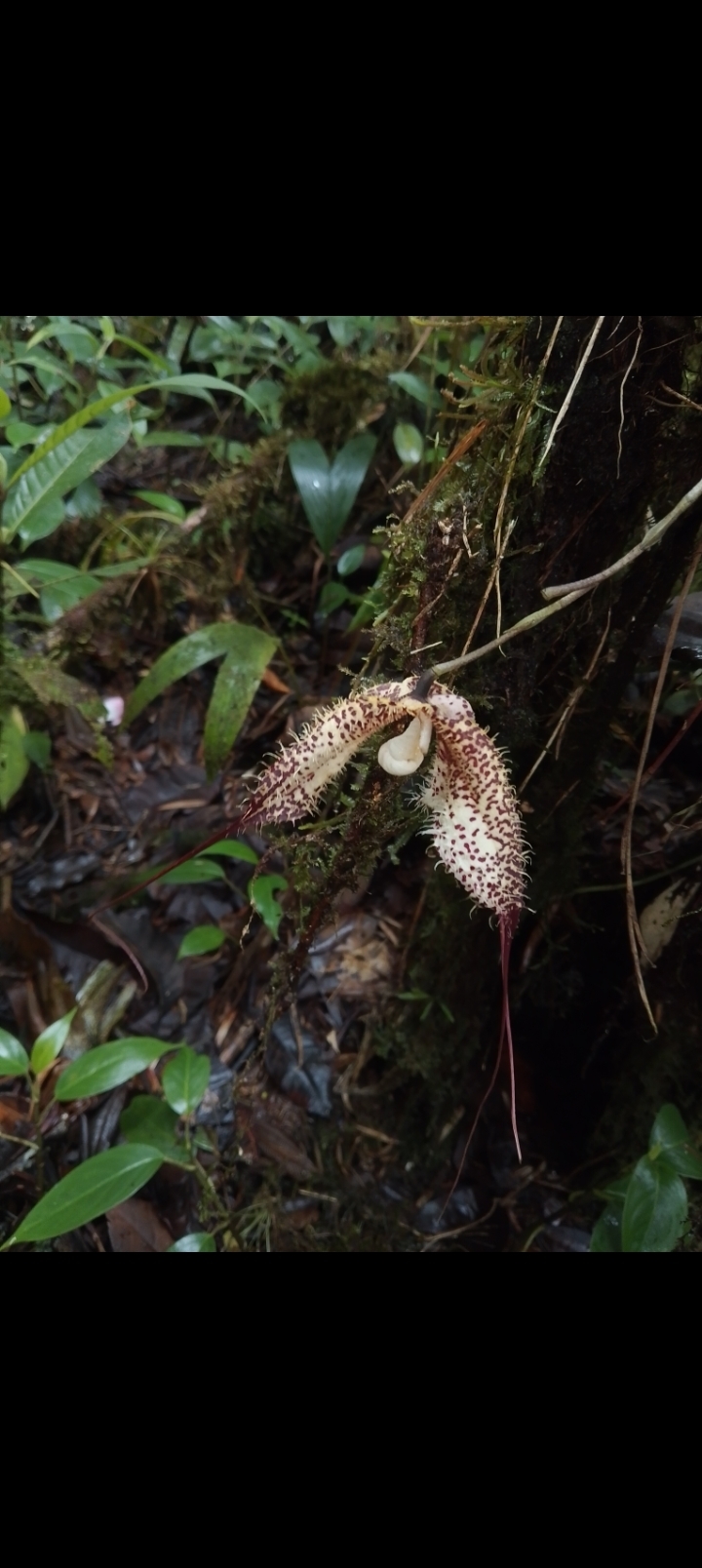
Photo: Jhon Fernando Taborda, via GBIF (CC0)
Sweden has four. Ireland four between its two country codes. Mexico three, Brazil two, then single records from Belgium, India, Panama and the United States. Add those up and roughly a third of the global record count for this Colombian cloud-forest orchid comes from places it has never grown wild.
Those Records Are Greenhouses
They are herbarium sheets, and the collection data says so plainly. One Royal Botanic Garden Edinburgh sheet gives its locality simply as “Cultivated.” Another record, from the New York Botanical Garden, was collected at Socotá in Colombia in February 1897 by F. C. Lehmann.
Lehmann is the giveaway. He was the German consul in Popayán and one of the most productive commercial orchid collectors working Colombia in the late nineteenth century, shipping plants to European buyers in enormous numbers until he drowned in 1903. A sheet with his name on it comes from the middle of the orchid boom, when Andean cloud forest was being stripped to fill glasshouses in Britain and Belgium.
So the occurrence map for this species is two overlapping things. A record of where the plant grows, and a record of who took it away. The British records are the second kind.
The Flower Is Aimed at Flies
Dracula flowers are mottled, often hairy, and carry a lip that is shaped and coloured like the gills of a mushroom. Several species smell faintly fungal as well.
This is not decoration. The pollinators are fungus gnats, small flies that breed in mushrooms, and the flower works by convincing a gravid female that it is a fungus worth laying eggs on. She lands on the lip, moves around on it, and picks up pollinia on the way.
It also explains an awkward fact about the genus in cultivation. The flowers hang downward, sometimes straight down from the base of the plant, because a gnat approaching a mushroom comes from underneath. Grow a Dracula in a pot on a bench and a good proportion of the flowers will drive themselves into the medium and rot. The genus wants a basket, hung high enough that the spikes can fall clear.
Cool, Wet, and Never Warm
The Colombian records sit in the Andean cloud forest belt of Antioquia and Caldas, and the field photograph above was taken at roughly 5.58 north, 75.80 west.
Culture is the cool end of orchid growing and the plant is unforgiving about it. Nights should run around 10 to 14°C, days ideally below 22°C, and a hot spell is the most common way people lose an established plant. A collection that suits phalaenopsis will not suit this.
Humidity needs to be high and steady, 80% or better, with constant air movement so the leaves are never sitting wet in still air. The genus has thin leaves and no pseudobulbs, so there is no water storage and no tolerance for drying out.
Water often, with clean low-mineral water, and keep the medium fresh. Sphagnum in a basket works well and needs replacing before it breaks down.
Shade rather than bright light. These grow in the understorey under near-permanent mist.
Worth Being Honest About
Dracula chimaera is a plant for someone with a cool greenhouse or a dedicated cool grow tent. In a normal heated house it will decline slowly over a year or two, and no amount of misting will substitute for the temperature.
The Victorians solved this with coal, enormous glasshouses and staff. It is worth knowing that the 13 British records exist because a country with the wrong climate threw industrial resources at growing a mountain orchid, and that most of the plants they imported died anyway.