Recent Posts
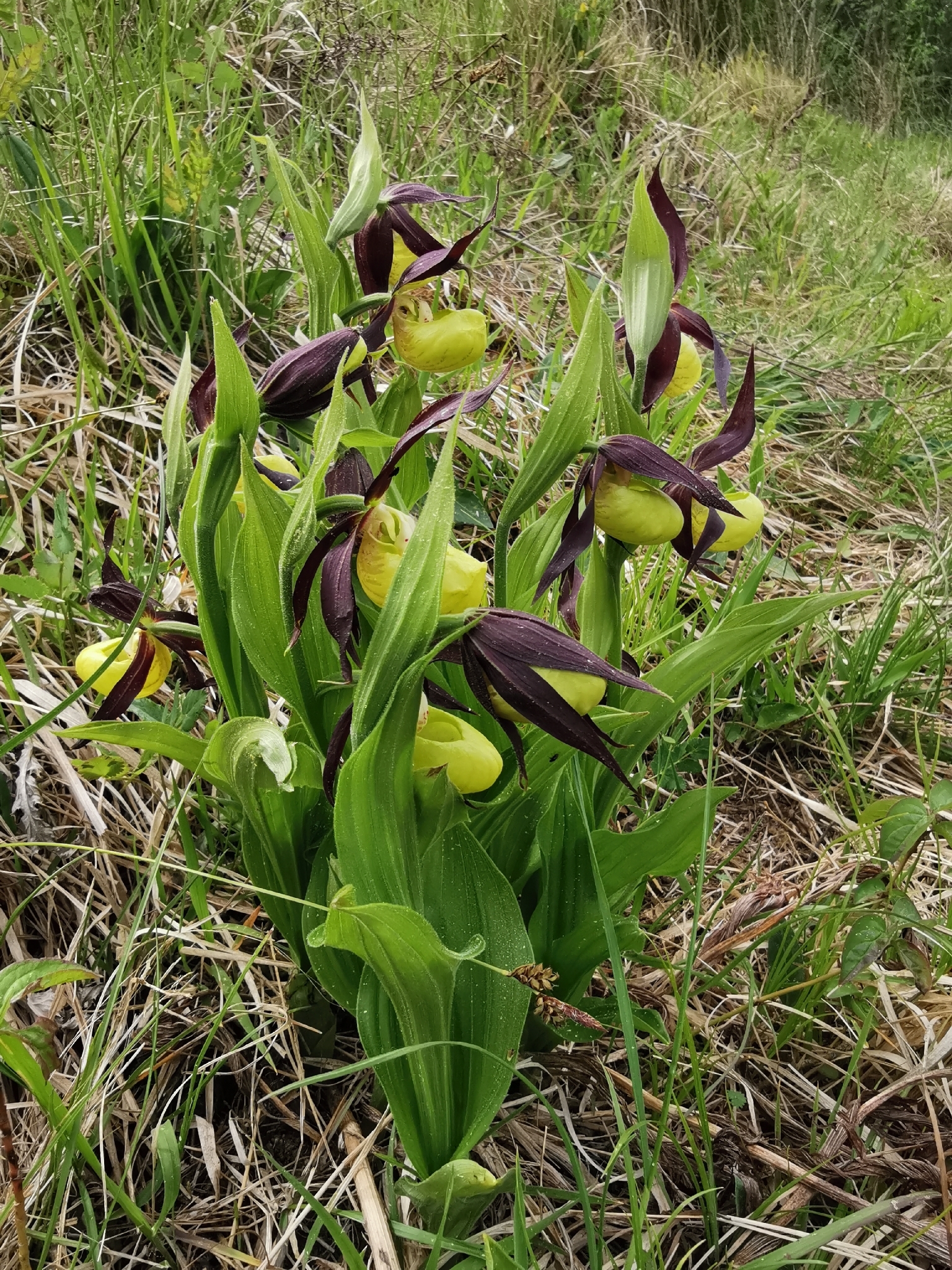
Cypripedium Calceolus Has 100,916 Wild Records and Only 396 of Them Are British
The lady’s slipper is not a rare orchid. Across its range there are 100,916 occurrence records in GBIF, which puts it among the better-documented wild orchids on the planet. France holds 20,357 of them. Sweden has 18,555, Switzerland 13,915, Finland 13,838, Germany 12,119. Russia, Austria, Norway and Estonia all run into the thousands.
Photo: cpu, via GBIF (CC0)
Then there is the United Kingdom, with 396. That is under four tenths of one percent of the global total, for a plant that is common enough in the Alps that Austrian walkers photograph it casually in May.
read more
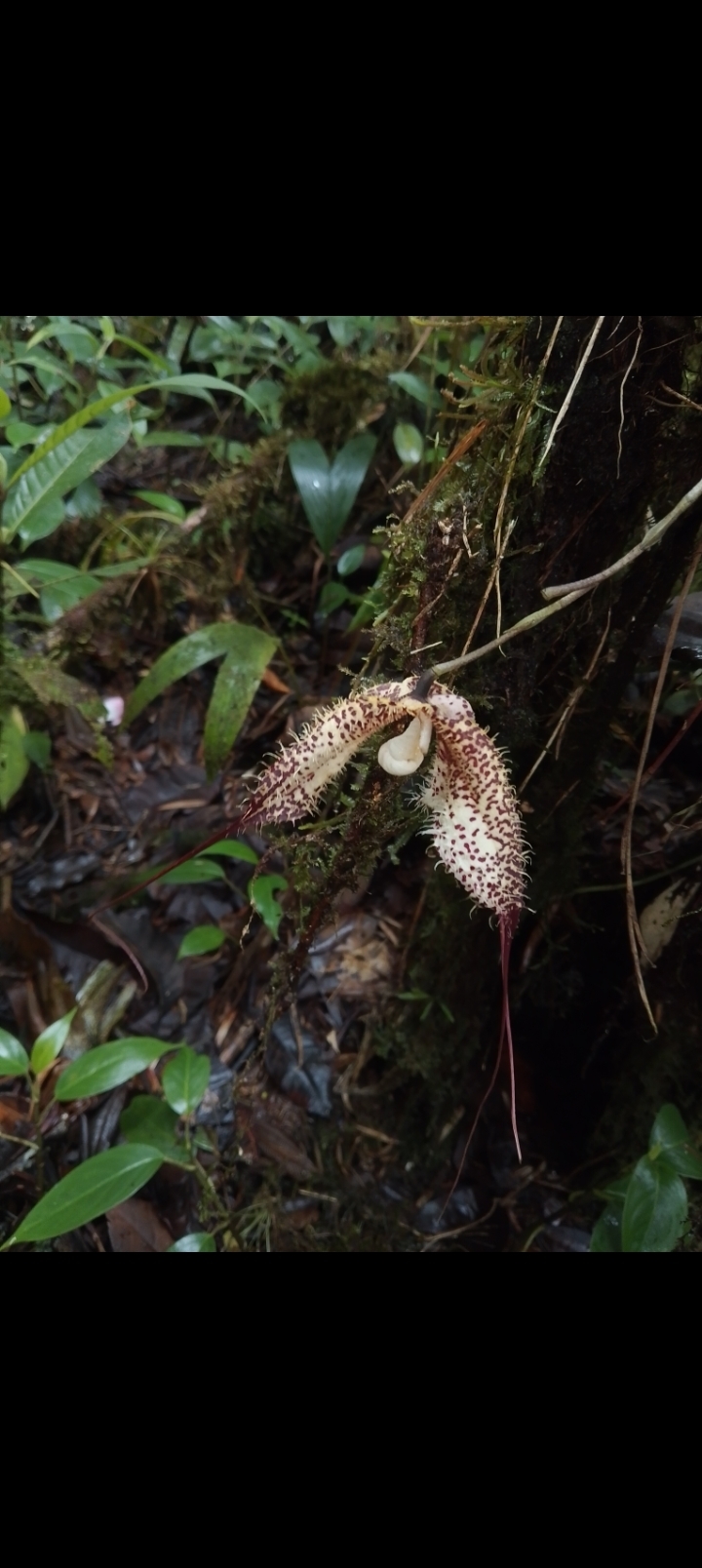
Dracula Chimaera Has 150 Wild Records and 13 of Them Are in Britain
There are 150 GBIF records for Dracula chimaera. Colombia holds 66 of them, which is where the plant lives. The United Kingdom holds 13, which is where it does not.
Photo: Jhon Fernando Taborda, via GBIF (CC0)
Sweden has four. Ireland four between its two country codes. Mexico three, Brazil two, then single records from Belgium, India, Panama and the United States. Add those up and roughly a third of the global record count for this Colombian cloud-forest orchid comes from places it has never grown wild.
read more
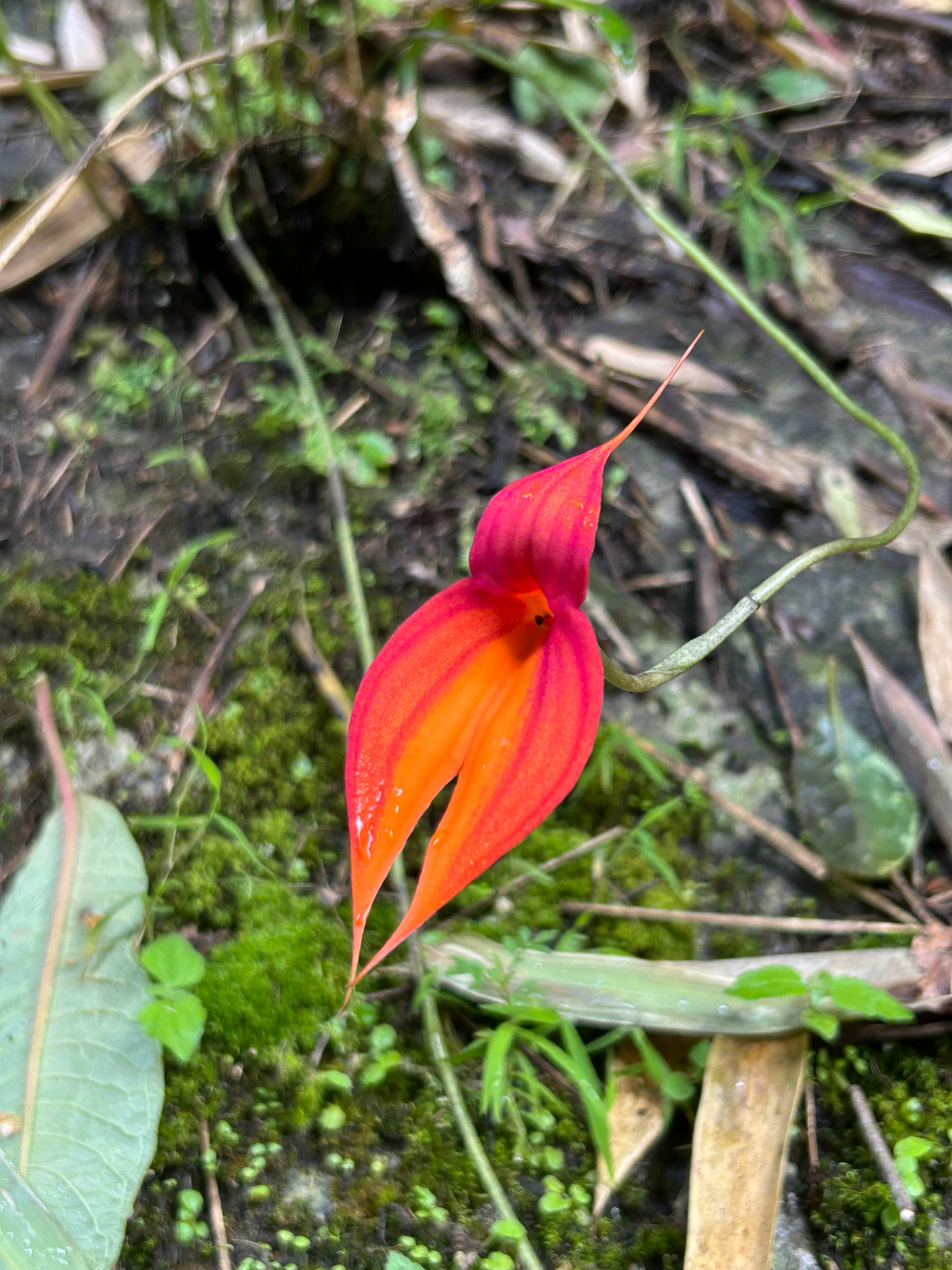
Masdevallia Veitchiana Records Cluster at Machu Picchu, and One Sits at 3,105 Metres
Pull the 241 GBIF records for Masdevallia veitchiana and 213 of them are in Peru. Plot the Peruvian ones and they land almost on top of each other, around 13.16 degrees south and 72.54 west, which is the ridge at Machu Picchu. Several were logged by tourists walking the circuit.
Photo: Allan Harris, via GBIF (CC0)
That concentration is partly real and partly an artefact of who carries a phone up a mountain.
read more
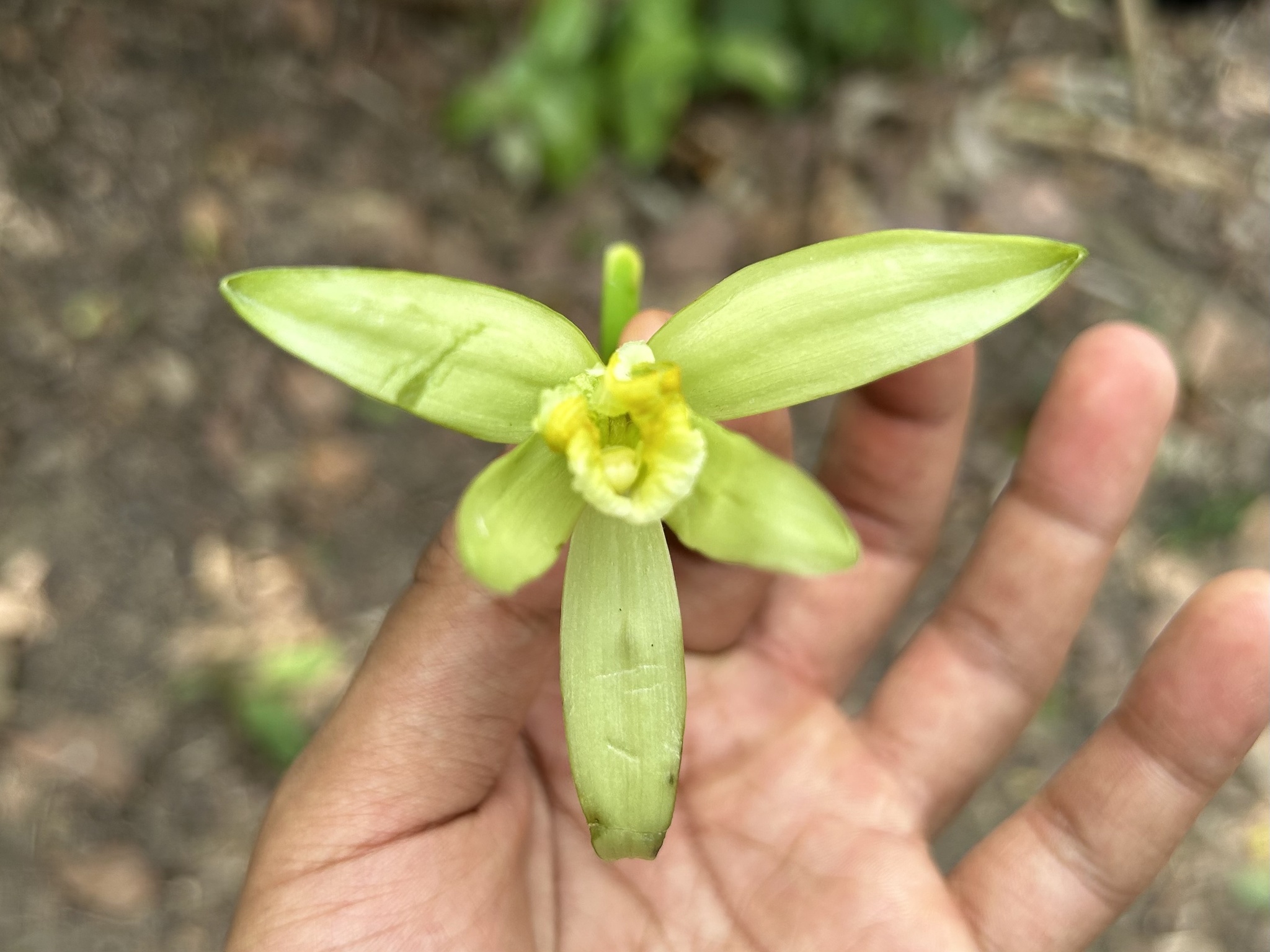
Mexico Has More Wild Vanilla Records Than Madagascar, Which Grows Most of the Crop
There are 626 GBIF records for Vanilla planifolia, which is a startlingly small number for the second most expensive spice in the world. Mexico leads with 100. The United States has 52, almost all of them Hawaii and Florida. Réunion has 43, Madagascar 39, Guadeloupe 33, Costa Rica 30, the Seychelles 25.
Photo: marcodiazz, via GBIF (CC0)
Madagascar grows a large share of the world’s vanilla and appears in this list below Réunion, a far smaller island.
read more
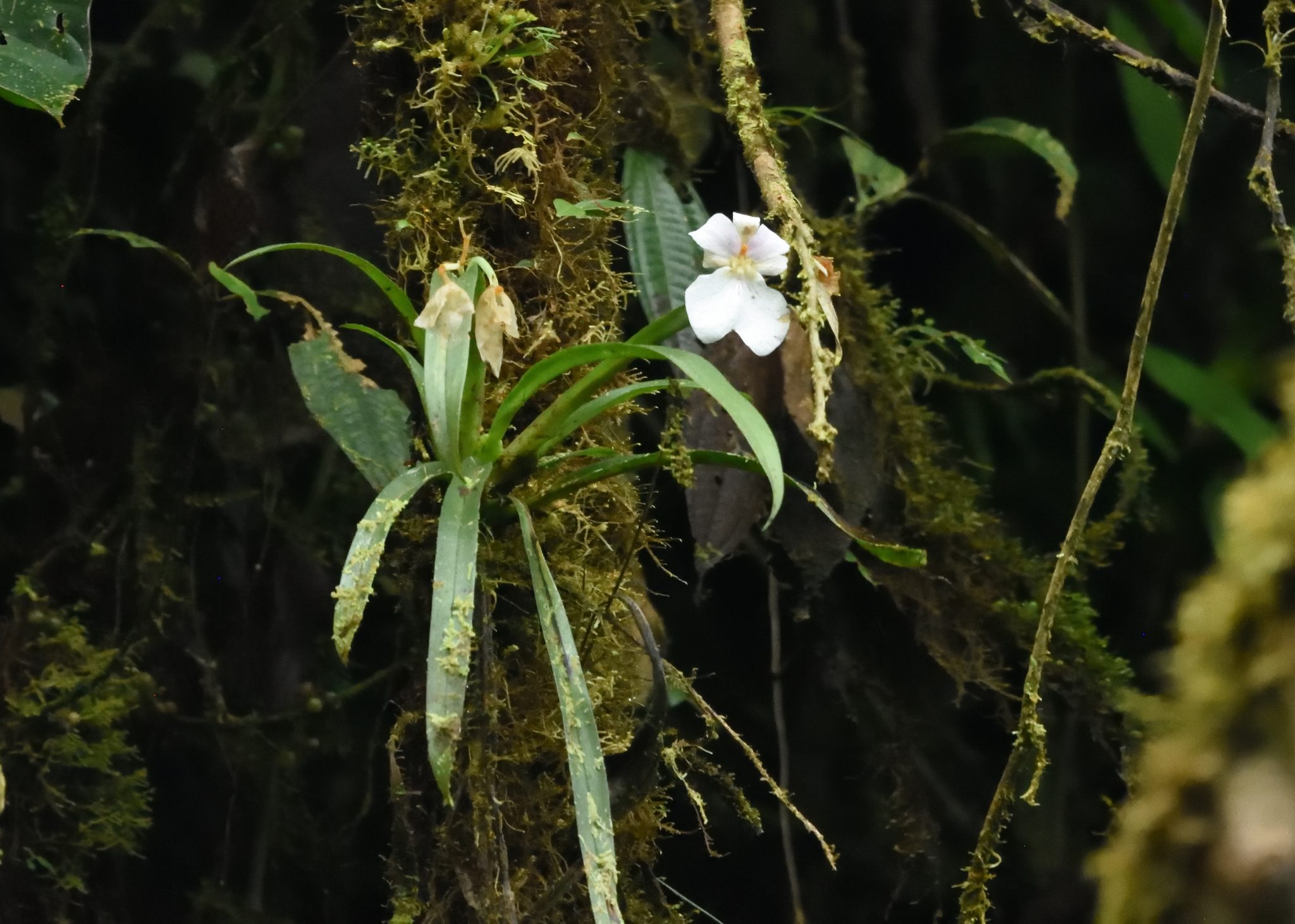
Miltoniopsis Vexillaria's Oldest Records Are Greenhouse Plants in Pittsburgh and Chicago
The pansy orchid has 245 GBIF records. Colombia accounts for 174 and Ecuador for 25, which matches where the species actually grows. Then the list turns odd: Sweden five, Britain three, Germany two, the United States two, Ireland one.
Photo: Guy Babineau, via GBIF (CC0)
Open the American ones and the dates are the interesting part. A Carnegie Museum of Natural History sheet collected in 1916, locality Pittsburgh. A Field Museum sheet from 1945, this one genuinely from Caldas in Colombia, collected by K.
read more
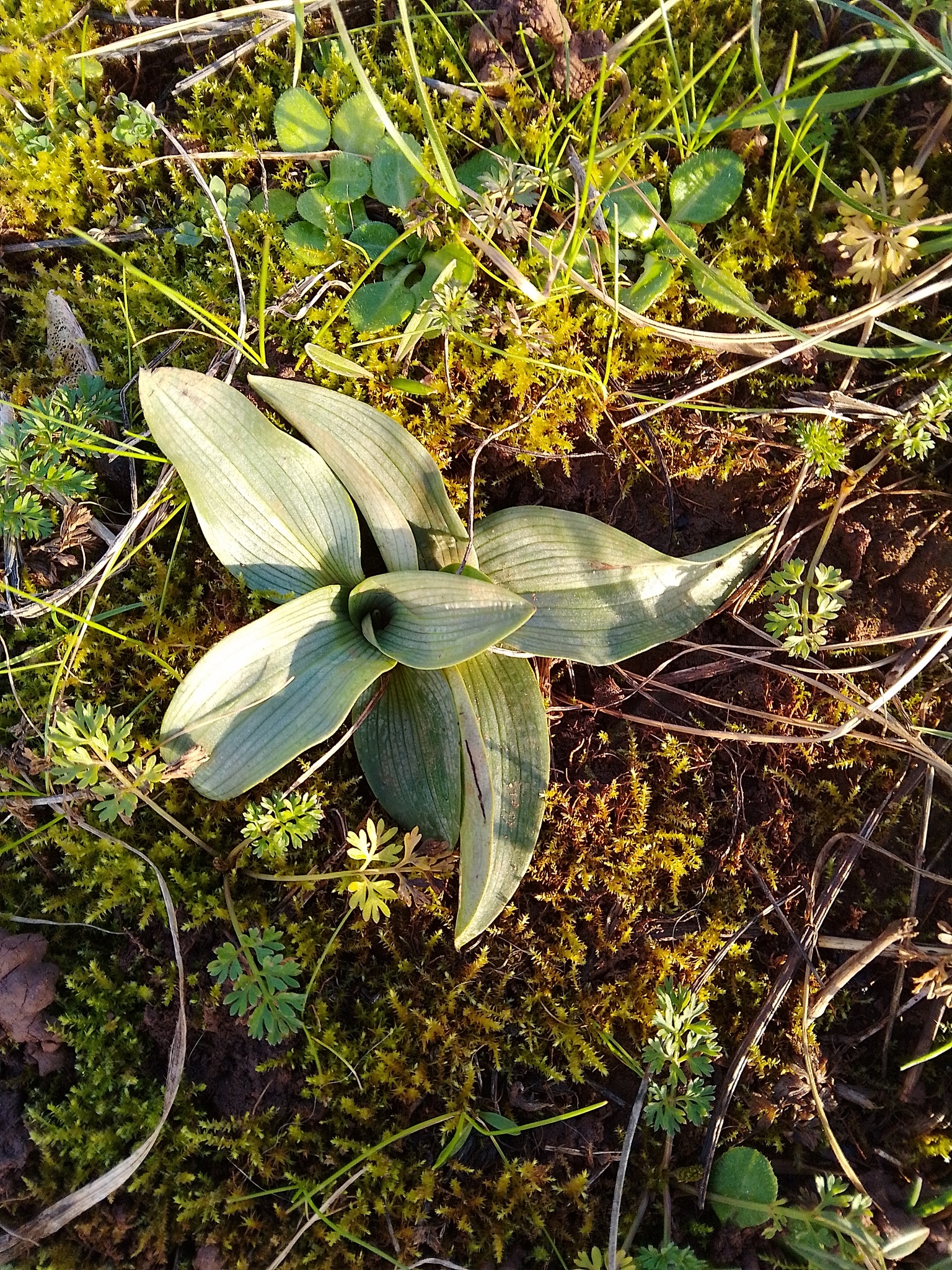
Ophrys Apifera Flowers in May and June, and 41,807 Wild Records Show It
Break the 41,807 GBIF records for the bee orchid down by month and the shape is almost comic in its clarity. January 640, February 965, March 854, April 2,379. Then May 12,966 and June 21,201. Then July collapses to 977, August to 58, September to 27.
Photo: Bob Helson, via GBIF (CC0)
May and June together account for 82% of every record ever logged. That is a flowering season drawn straight from observation data, without anyone consulting a field guide.
read more
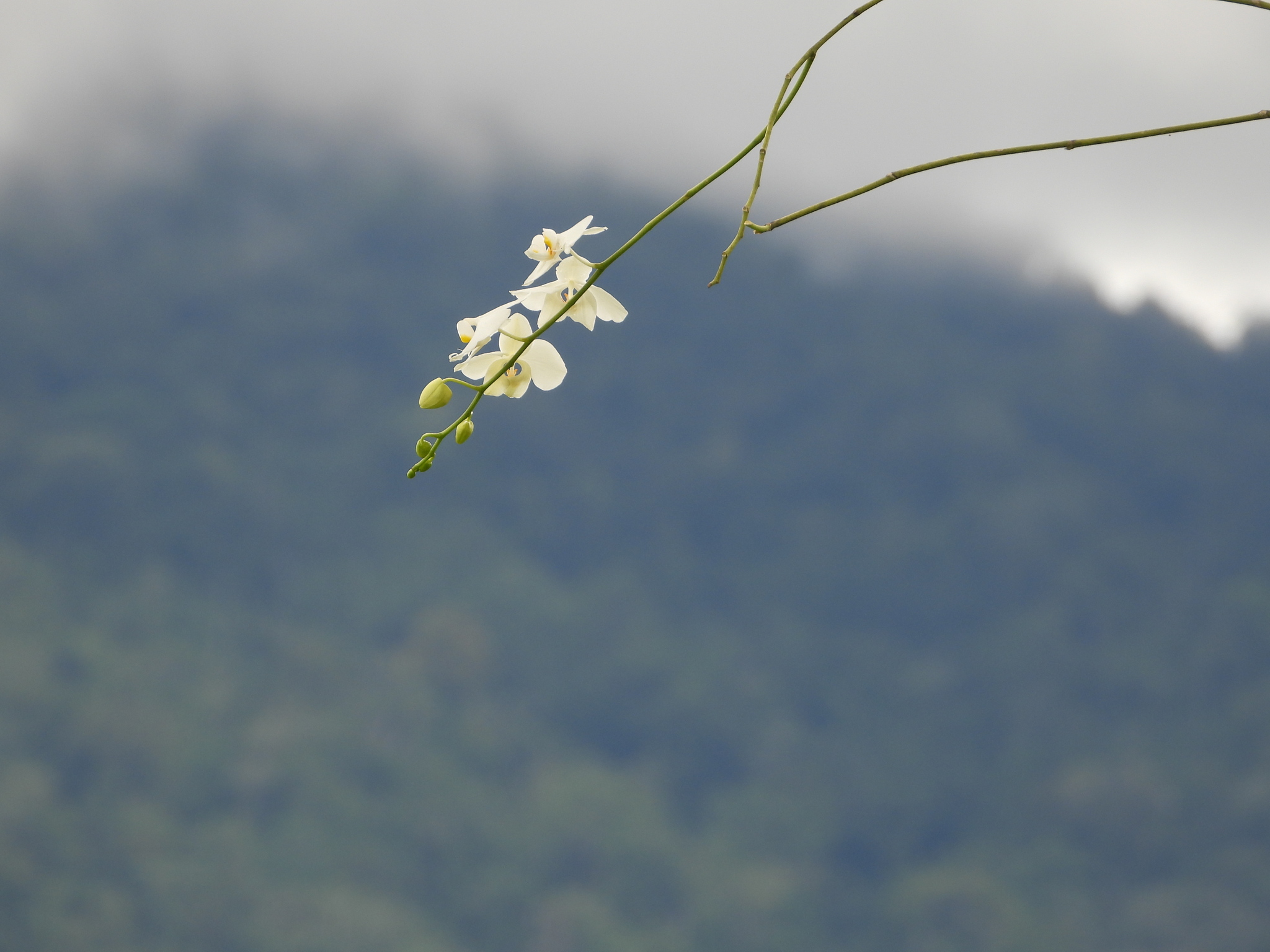
Phalaenopsis Amabilis Has 65 Photographed Wild Records, and It Is Behind Every Supermarket Orchid
Filter GBIF to Phalaenopsis amabilis records that carry an openly licensed photograph and you get 65 of them. Indonesia accounts for 32. Malaysia has four, Papua New Guinea three, the Philippines one, and thirteen carry no country at all. For the species standing behind the most mass-produced houseplant orchid on earth, that is a remarkably quiet paper trail.
Photo: Светлана Царахова, via GBIF (CC0)
The Plant on the Shelf Is Not This Plant Worth stating plainly, because it causes a lot of confusion.
read more
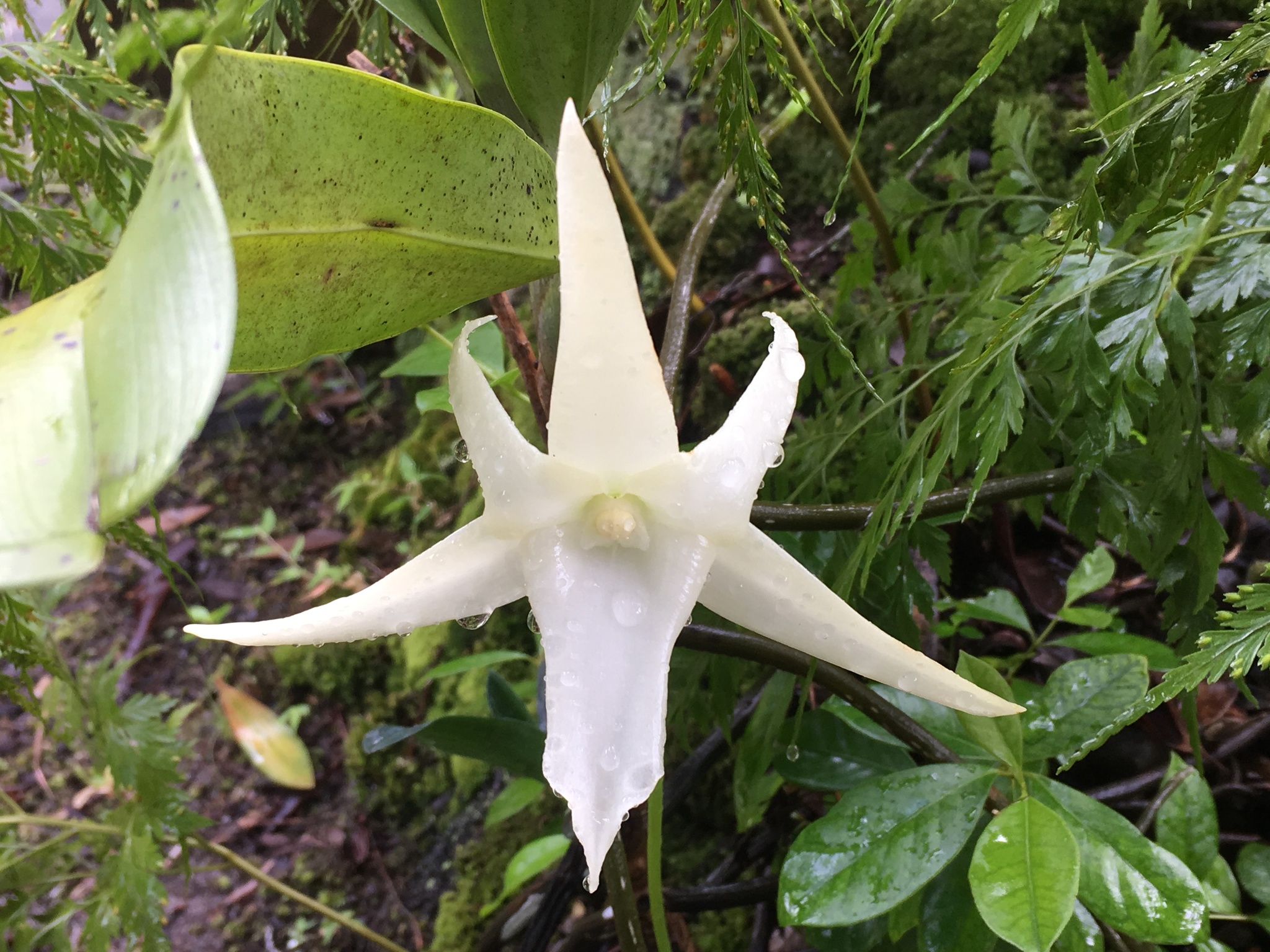
The Wild Records for Angraecum Sesquipedale Point to a Hot, Wet Lowland Plant
Almost everything written about this orchid is really about a moth. Darwin saw a dried specimen in 1862, measured the nectary at close to a foot long, and said there had to be an insect in Madagascar with a tongue to match. He was right, and the confirmation arrived decades after his death. It is a wonderful story and it has crowded out a more useful question, which is where the plant actually lives.
read more
Why Orchids Steal the Show, and Why It Is Always the Same Few Orchids
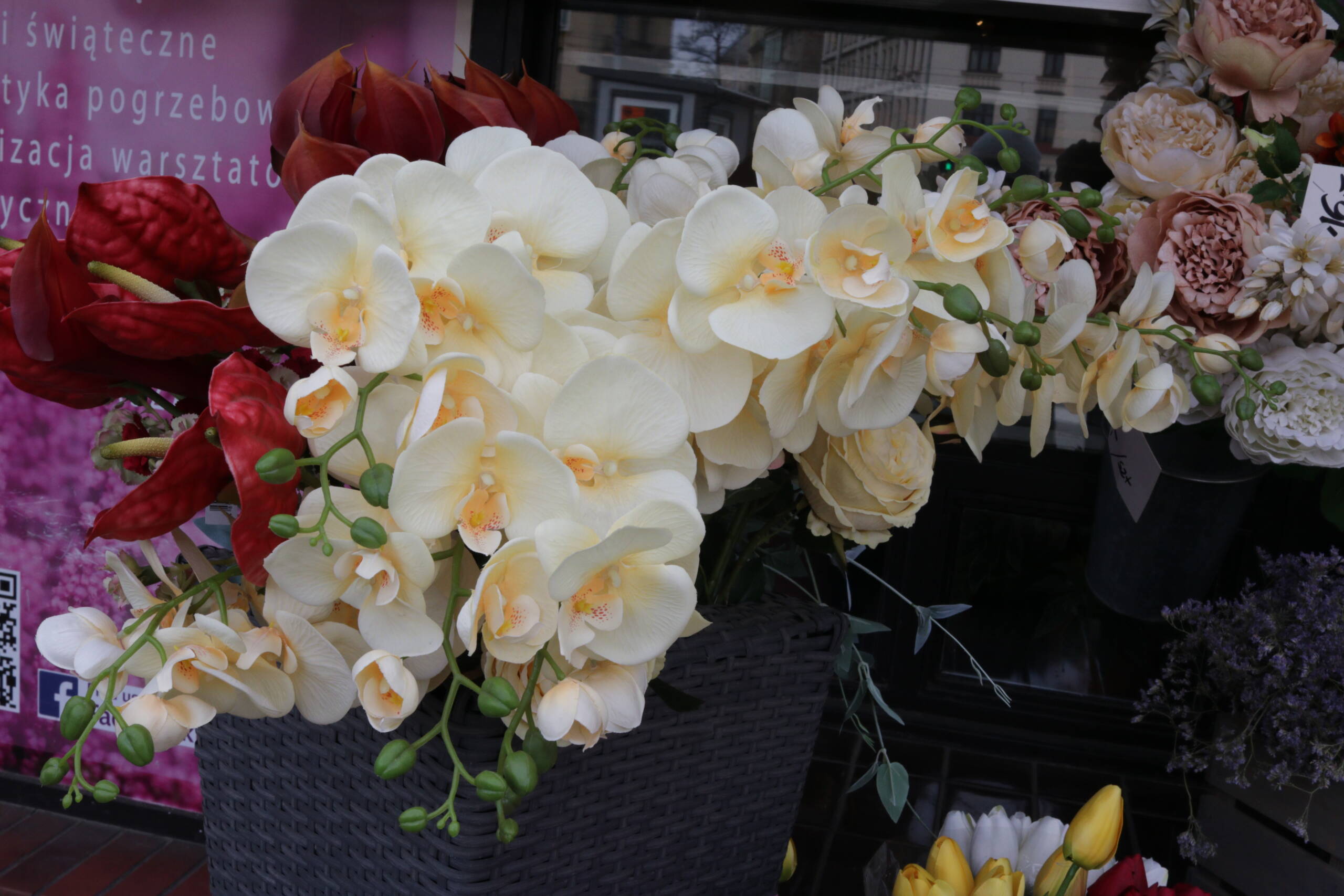
A florist’s window in Poland, the board behind it advertising seasonal work and funeral arrangements. There is plenty in the frame: anthuriums, garden roses, peonies, chrysanthemums, tulips at the bottom, statice off to the right. None of it registers. The cream Phalaenopsis spray comes forward and turns everything else into background.
Growers know the effect without needing it explained. It is worth pulling apart anyway, because the reasons are structural rather than aesthetic, and because they explain the odd shape of the trade that has grown up around this genus.
read more
Can You Actually Make a Living Growing Orchids?
The BBC ran a piece this week that every serious orchid grower should read. Matthew Kenyon’s report for BBC Technology of Business — Inside the Secretive and Lucrative World of Orchid Breeding — follows the Dutch breeding firm Floricultura through its greenhouses in Heemskerk, North Holland, and makes one thing unmistakably clear: orchids are a real industry, with real money, real intellectual property disputes, and a real supply chain spanning three continents.
read more