Can You Actually Make a Living Growing Orchids?
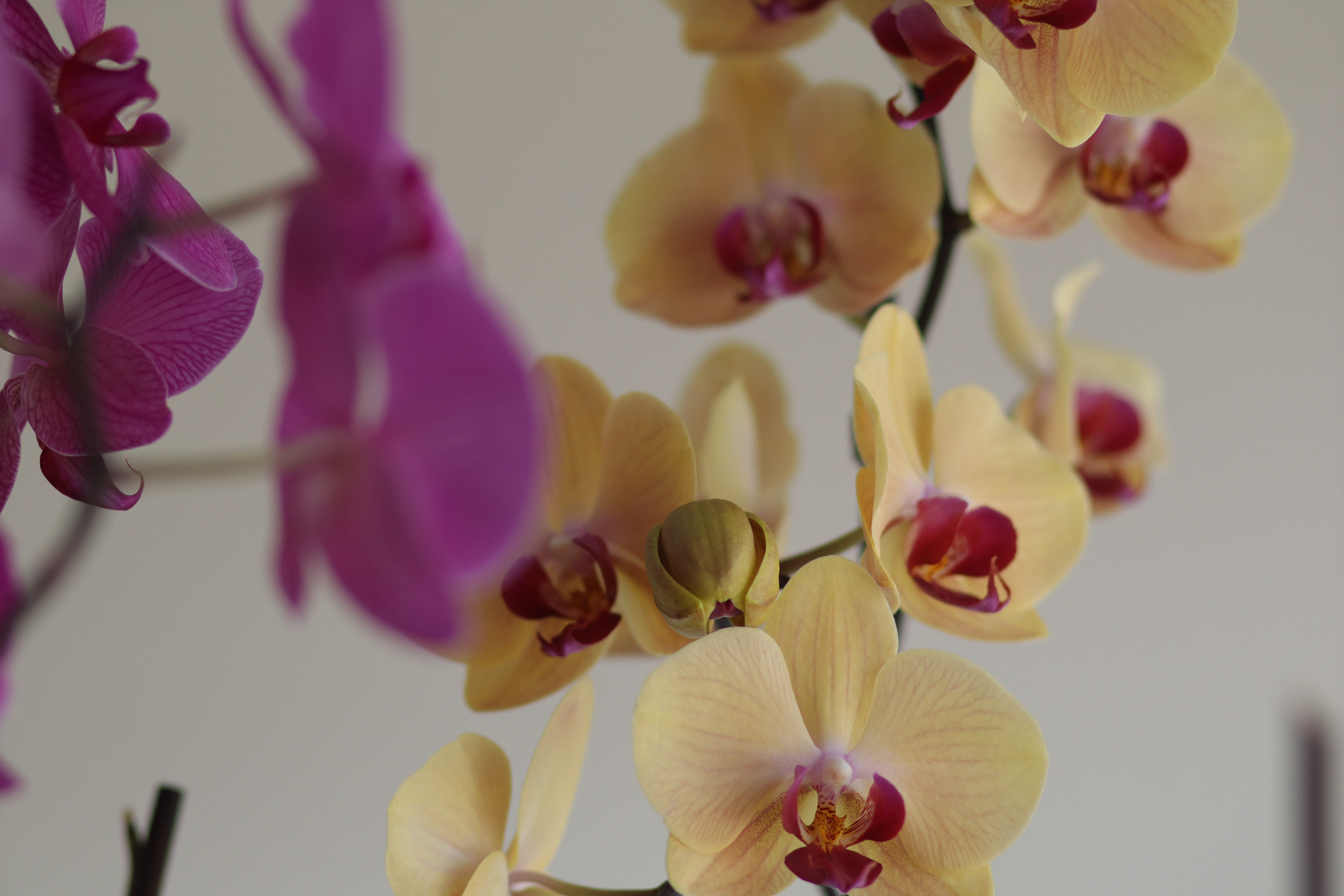
The BBC ran a piece this week that every serious orchid grower should read. Matthew Kenyon’s report for BBC Technology of Business — Inside the Secretive and Lucrative World of Orchid Breeding — follows the Dutch breeding firm Floricultura through its greenhouses in Heemskerk, North Holland, and makes one thing unmistakably clear: orchids are a real industry, with real money, real intellectual property disputes, and a real supply chain spanning three continents. The global orchid market is worth hundreds of millions of dollars. The question is how much of that a dedicated grower can reach.
The Industry Is Bigger Than You Think
Most hobbyists never look past the supermarket shelf, where a $12 Phalaenopsis represents the final, commoditized end of a decade-long process. The BBC piece traces what happens upstream. Floricultura carries more than 180 varieties in its catalogue and several hundred more in active development, because, as Stefan Kuiper, the company’s breeding manager, explains: “You can’t stop, because it takes so long to develop new varieties. You have to go on, [or] you will be behind the rest.”
That pressure is structural, not personal. The commercial orchid market runs on novelty. New colours, new forms, longer bloom times, stronger stems — the cultivators who buy from breeders like Floricultura need a constant pipeline of distinct varieties to stay competitive at retail. Someone has to supply that pipeline, and the breeders who can do it most reliably hold enormous pricing power.
That is not where most independent growers start. But understanding the structure of the industry tells you where the entry points are.
Where Individual Growers Can Compete
The commercial scale Floricultura operates at — seven hectares of greenhouse space, geothermal wells pumping water from three kilometers below the surface, plants travelling by airfreight to India and by lorry to Poland for evaluation — is not replicable by a small operation. Nor does it need to be.
The commercial mass market competes on volume and uniformity. It does not compete on rarity, provenance, or collector appeal. That is the gap.
The orchid collector market, particularly for species orchids, award-quality hybrids, and historically significant clones, operates by entirely different logic. A single flask of a well-documented Cattleya alliance hybrid with documented parentage and known award history can command more than a rack of fifty supermarket Phals. One confirmed awarded clone, properly meristem-propagated and documented, can sustain a small nursery’s margin for years.
This is the market where independent growers have built sustainable businesses: not competing with Dutch floriculture at scale, but serving the collector community that finds Dutch floriculture irrelevant.
The Science Is No Longer Out of Reach
The BBC piece focuses heavily on genetic markers and novel breeding techniques — tools that, as Wart van Zonneveld, Floricultura’s R&D manager, puts it, allow breeders to screen thousands of cross breeds and “select the ones that have the marker that you search for.” These are trade secrets at the commercial level, protected by breeders’ rights in Europe and patents in the United States.
But the underlying science has been published. Wageningen University researcher Paul Arens, who consults for a Dutch government-backed initiative sharing research with member companies, frames the fundamentals plainly: “The foundation is still what we are doing for 100 years already. You take two plants, you look at their characteristics, and you make a cross.”
The white lab coats are refining the process, not reinventing it. A small breeder who studies their genus deeply, keeps meticulous records, and understands what the collector market is looking for is doing the same essential work — at human scale, with human relationships, serving buyers for whom provenance and story are part of the value.
Breeding Is an Endurance Sport
The BBC report is honest about time. After genetic screening and initial selection, new Floricultura varieties take roughly three years to grow through lab conditions and early greenhouse stages — and that is not the end of development. The full cycle from cross to catalogue runs closer to a decade.
Arens captures the discipline required: breeding, he says, is “the art of throwing away” — discarding the plants that don’t match your objectives in order to concentrate resources on the ones that do. Cloning via meristems then multiplies those survivors, locking in the characteristics that earned them a second look.
For an independent grower, this means accepting that the crosses you make today will not generate revenue for years. It means treating your breeding program as an investment, not a side project. The growers who have built lasting businesses in orchids almost uniformly describe the same pattern: they started with species or collector-grade hybrids, developed expertise in a narrow genus or alliance, built a reputation within the society community, and let that reputation compound.
The Human Element Remains
Perhaps the most useful observation in the BBC piece is the one about the limits of automation. At Floricultura, after nine years of development work, the final selection decision — which varieties make it into the catalogue — is still made by people in person. A plant can pass every genetic test, produce every measurable trait, and still fail the only test that matters for the market: it has to be beautiful.
“Breeding is a little bit like gambling,” Stefan Kuiper tells the BBC.
That human judgment — the aesthetic sense developed over years of growing, judging, and handling plants — is not replicable by a Dutch algorithm. It is the one competitive advantage that a knowledgeable small grower holds against every large-scale commercial operation. The collector who buys from you is also buying your eye.
Building a Sustainable Operation
Making a living from orchids does not require a geothermal well or an airfreight contract to Bangalore. It requires clarity about which market you are serving and discipline about what you are growing.
The paths that work in practice look like some combination of the following: a flask and seedling operation serving collectors who want documented parentage at reasonable prices; a specialty retail presence at regional shows and through a maintained email list; division and offset sales from established awarded or near-awarded clones; limited breeding programs in a defined genus with real demand; and, at the more developed end, proprietary clones registered under your own name or grex.
None of it happens fast. The BBC piece, written about a company that has been at this for decades, makes that implicit in every sentence. But the market is real, the margins in the collector segment are real, and the barriers to entry — patience, knowledge, and an eye for a good flower — are exactly the kind of barriers that protect a small specialist from the floriculture giants who have no interest in competing with them.
This post references “Inside the Secretive and Lucrative World of Orchid Breeding” by Matthew Kenyon, BBC Technology of Business, published May 15, 2026.