The Hidden Economy of Orchids: From Living Rooms to a $300M Global Market
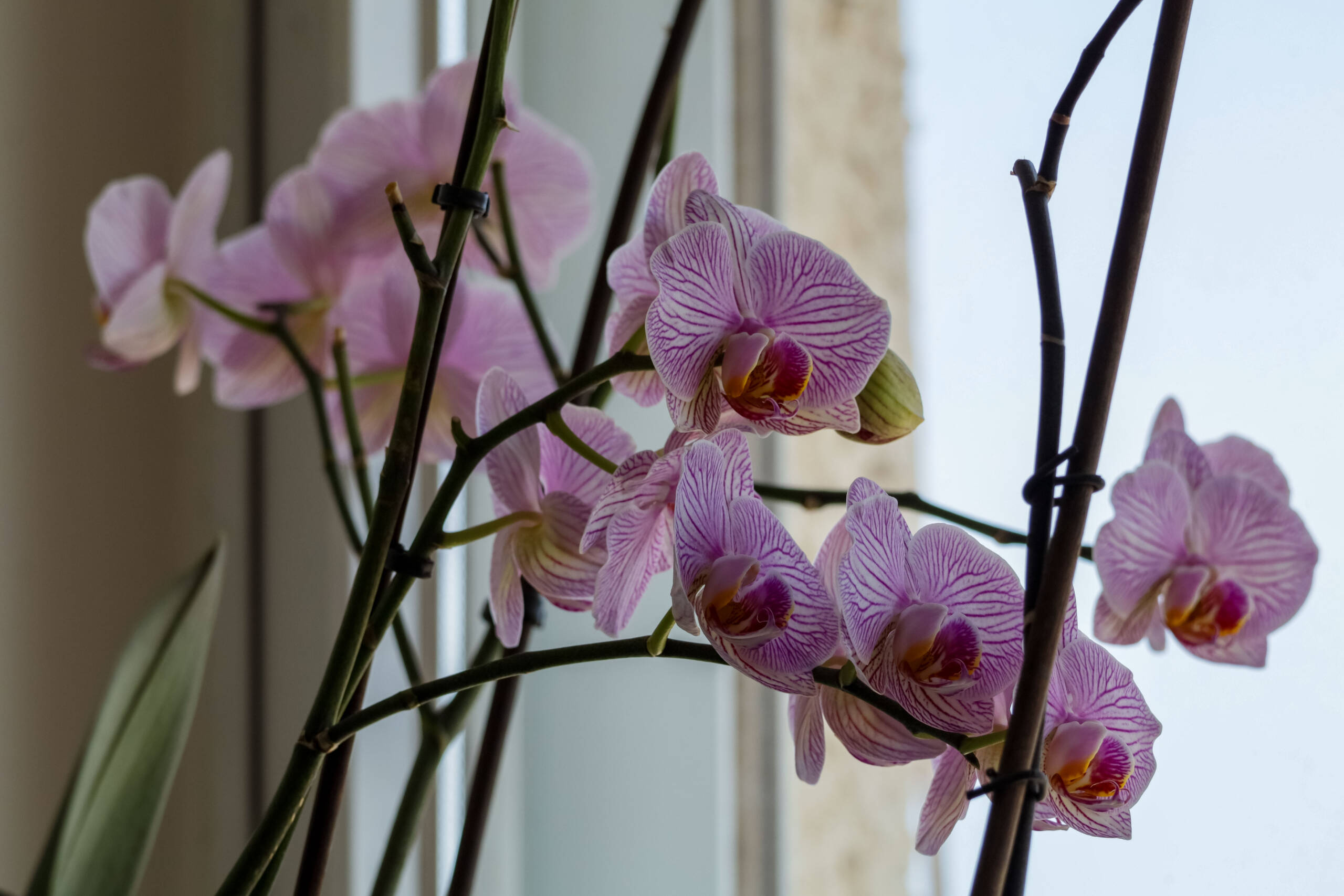
A flowering orchid on a windowsill can feel like the most ordinary thing in the world. A slender stem supported by a thin stake, several blossoms suspended like delicate paper lanterns, petals traced with fine veins that resemble brush strokes. It looks peaceful, decorative, almost private — the sort of plant people buy casually at a supermarket or receive as a gift. Yet behind that quiet scene lies a surprisingly vast and intricate economic ecosystem, one that stretches from laboratory propagation facilities to international logistics networks, botanical research institutes, and a surprisingly passionate global collector community.
Orchids are not merely houseplants. They are the visible tip of a horticultural industry that generates hundreds of millions of dollars each year and connects growers across continents. With more than 28,000 known species and tens of thousands of cultivated hybrids, orchids represent one of the most diverse families of flowering plants on Earth. Their extraordinary variety — from tiny forest species no larger than a coin to elaborate blooms larger than a human hand — has made them one of the most commercially important ornamental plants in global horticulture.
At the center of this economy sits the genus Phalaenopsis, often called the moth orchid. It is the orchid most people encounter at garden centers and supermarkets, recognizable by its arching stems and broad petals that seem almost sculpted. These plants dominate the consumer market because they are relatively resilient, bloom for months at a time, and adapt well to indoor environments. Large commercial nurseries, particularly in Taiwan, the Netherlands, Thailand, and China, specialize in producing millions of these orchids each year through sophisticated propagation techniques.
Modern orchid production looks more like biotechnology than traditional gardening. Many plants begin their lives inside sterile laboratories, where tiny orchid embryos are grown in nutrient-rich gel inside glass flasks. This technique, known as tissue culture, allows growers to produce genetically identical plants at enormous scale. Once the seedlings reach a certain stage, they are transferred to greenhouses where temperature, humidity, and light are carefully controlled. What emerges months later is the familiar potted orchid seen in homes, offices, hotels, and restaurants around the world.
Trade flows surrounding orchids form a quiet but significant branch of the global ornamental plant market. Orchids travel by air freight in carefully managed shipments, often moving across several countries before reaching the consumer. Taiwan has long been one of the world’s largest exporters of Phalaenopsis orchids, while Dutch horticultural hubs serve as distribution gateways into European markets. Auctions, wholesalers, and specialized logistics providers handle these delicate plants, ensuring they arrive with buds intact and leaves undamaged.
The global orchid trade, however, is beginning to shift in noticeable ways. International market pressures, tariffs, and changes in agricultural costs are reshaping export flows that once seemed stable. In recent years Taiwan’s moth-orchid exports to the United States — historically one of the most important destination markets — have declined both in volume and in value. Rising production costs, trade policy changes, and shifting retail demand have made the economics more complicated for growers who once relied heavily on North American buyers. For nurseries, this means adapting strategies, exploring new markets, and adjusting supply chains that were built over decades.
For collectors and enthusiasts the effects may appear subtle at first. Certain varieties become harder to find, prices fluctuate, and breeders increasingly focus on markets in Asia and Europe where demand for premium orchids remains strong. For growers, however, these changes represent something more structural. The orchid trade, like many other agricultural industries, is becoming more sensitive to global economic cycles, logistics costs, and geopolitical trade conditions.
Beyond commercial mass production, a parallel universe exists among collectors and enthusiasts, where rare species and unusual hybrids command intense interest. Orchid shows and exhibitions draw growers, breeders, and hobbyists who exchange plants, knowledge, and sometimes remarkably valuable specimens. Certain rare orchids can fetch astonishing prices, particularly those with unique coloration or historical lineage in breeding programs.
Breeding itself is a major component of the industry. Orchid hybridizers spend years developing new varieties with improved colors, shapes, fragrance, or blooming patterns. The results are registered with international horticultural societies, creating a living catalog of orchid genetics that evolves year after year. Some breeders become known for signature lines of orchids, much like vintners known for particular wines.
Yet the orchid economy also intersects with conservation in complicated ways. Many orchid species grow in extremely specialized ecosystems — cloud forests, tropical jungles, limestone cliffs — and are highly sensitive to environmental disruption. Habitat destruction, illegal collection, and climate change threaten numerous wild species. Because orchids are so desirable, they have historically been vulnerable to overharvesting from natural habitats.
To combat this, international regulations such as CITES govern the trade of many orchids. Commercial nurseries must demonstrate that their plants originate from cultivated stock rather than wild collection. Botanical gardens and conservation programs also play a role, preserving rare species through controlled propagation and habitat restoration efforts.
Interestingly, the same biotechnology used for commercial orchid production has become a conservation tool. Tissue culture techniques allow scientists to propagate endangered orchids and reintroduce them into protected environments. In some cases, species that once faced extinction are being slowly restored thanks to these methods.
Meanwhile, the consumer side of the market continues to expand. Interior design trends increasingly incorporate plants into living spaces, and orchids occupy a unique niche within this movement. They offer a sense of elegance and longevity compared with cut flowers, yet remain compact enough for apartment living. Hotels, corporate offices, and luxury retailers frequently use orchids as decorative centerpieces, reinforcing their association with refinement and calm.
The result is a global industry that quietly blends science, agriculture, design, international trade, and ecology. A plant that appears delicate and ephemeral in a living room actually represents a sophisticated chain of laboratories, greenhouses, cargo aircraft, trade regulations, shifting global markets, and conservation strategies.
That orchid on the windowsill — the one leaning gently toward the light — is not just a decorative flourish. It is the final chapter of a journey that may have begun years earlier in a greenhouse halfway around the world, shaped by botanists, breeders, traders, horticulturalists, and evolving trade dynamics.
What appears to be a simple flower is, in reality, part of a living global economy quietly unfolding behind the petals.