Why Maudiae-Type Paphiopedilums Stand Out for Growers
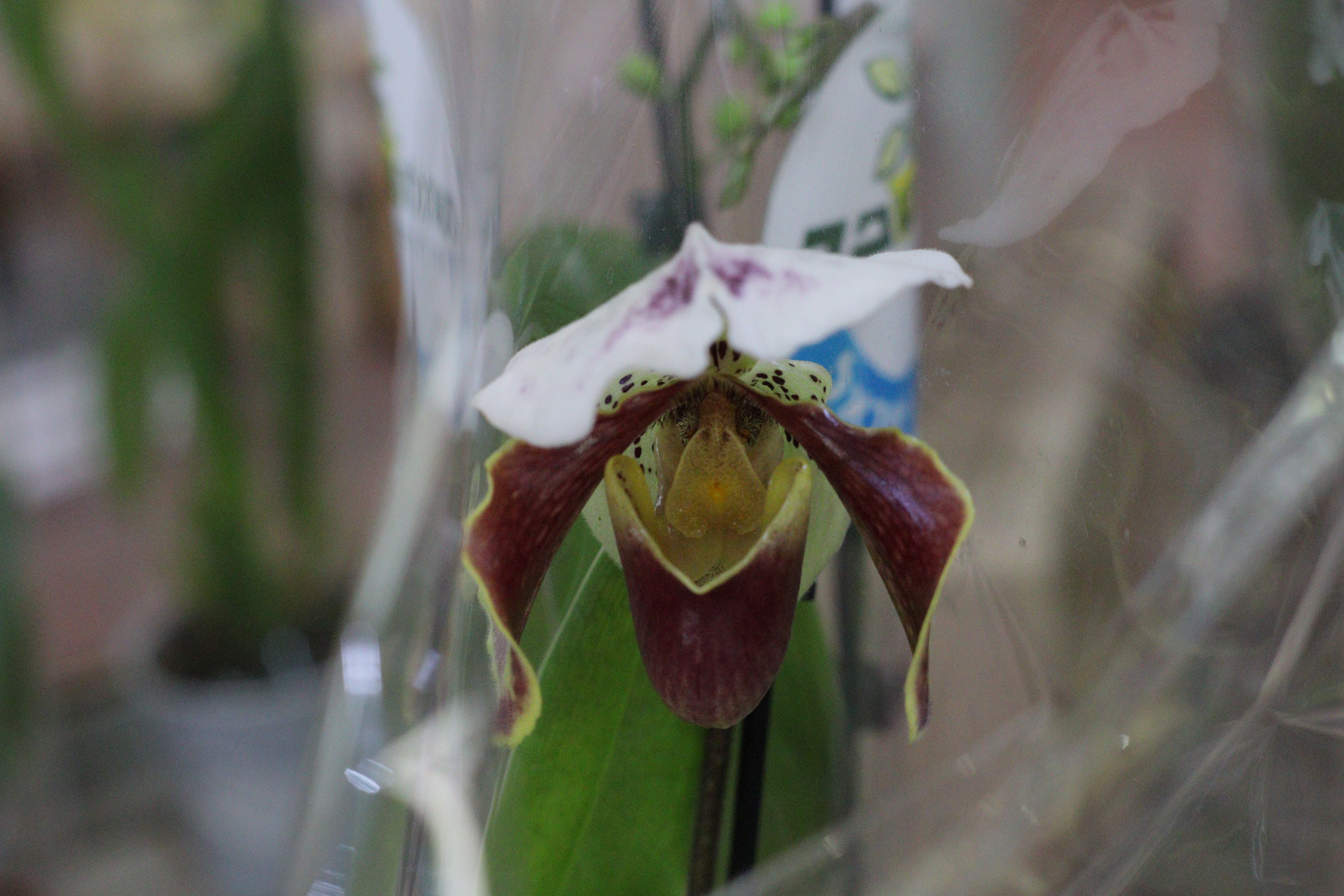
These slipper orchids earn their reputation in ways you only fully appreciate once you’ve grown a few seasons with them. They manage that strange mix of being visually refined yet surprisingly undemanding, almost as if the plant knows you have other things going on and decides to meet you halfway. A Maudiae-type like the one you photographed carries all the elegant cues of its lineage — the wide, steady dorsal sepal, the balanced burgundy pouch, the clean speckling inherited from lawrenceanum — but what makes them special for growers isn’t just the flower; it’s how consistently these traits show up without drama. You don’t need a sun-drenched greenhouse or a deep library of orchid tricks to keep them performing. Give them shade, give them air movement, keep the roots in a stable, moisture-retentive medium, and they repay you with the kind of predictability most orchids refuse to offer.
Part of their charm is how they actually grow. The mottled leaves stay compact, never sprawling into the bench space you swore you still had last month, and they tolerate the typical temperature swings of a home or casual grow space without sulking. Their root systems prefer a gentle rhythm — not bone dry, not soggy — and once you get the feel for that middle ground, the plant settles into a steady cycle that almost feels like routine. They don’t demand repotting every five minutes, but they do reward fresh media with noticeably stronger root tips, especially in mixes built around fine bark, perlite, and a touch of something moisture-friendly like sphagnum or pumice. And since they’re mostly single-growth bloomers that mature predictably, you get real feedback from your care. When a new fan fattens up evenly and the leaf texture tightens, you know you’re on track. When it hesitates, the plant gently tells you something in its world needs adjusting.
What makes Maudiae-types truly special, though, is how the blooming experience feels almost effortless once the plant hits its stride. The spike emerges with quiet confidence — not racing upward but moving with this measured, almost deliberate pace — and the bud forms cleanly without the twisting or deformities that sometimes plague other slipper lines. When the bloom finally opens, it sits exactly as the breeding intended: balanced, symmetrical, stable. You look at it and think, alright, this is why people keep coming back to this hybrid group. It’s not just about having a flower; it’s about having a plant that behaves well, teaches you something, and doesn’t demand extremes to show what it can do. For many growers, especially those who value long-term reliability over spectacle, that’s what makes a Maudiae-type Paphiopedilum more than just another orchid on the shelf. It quietly earns its place.