Why This Oncidium-Type Hybrid Thrives So Readily — And How to Keep It Blooming
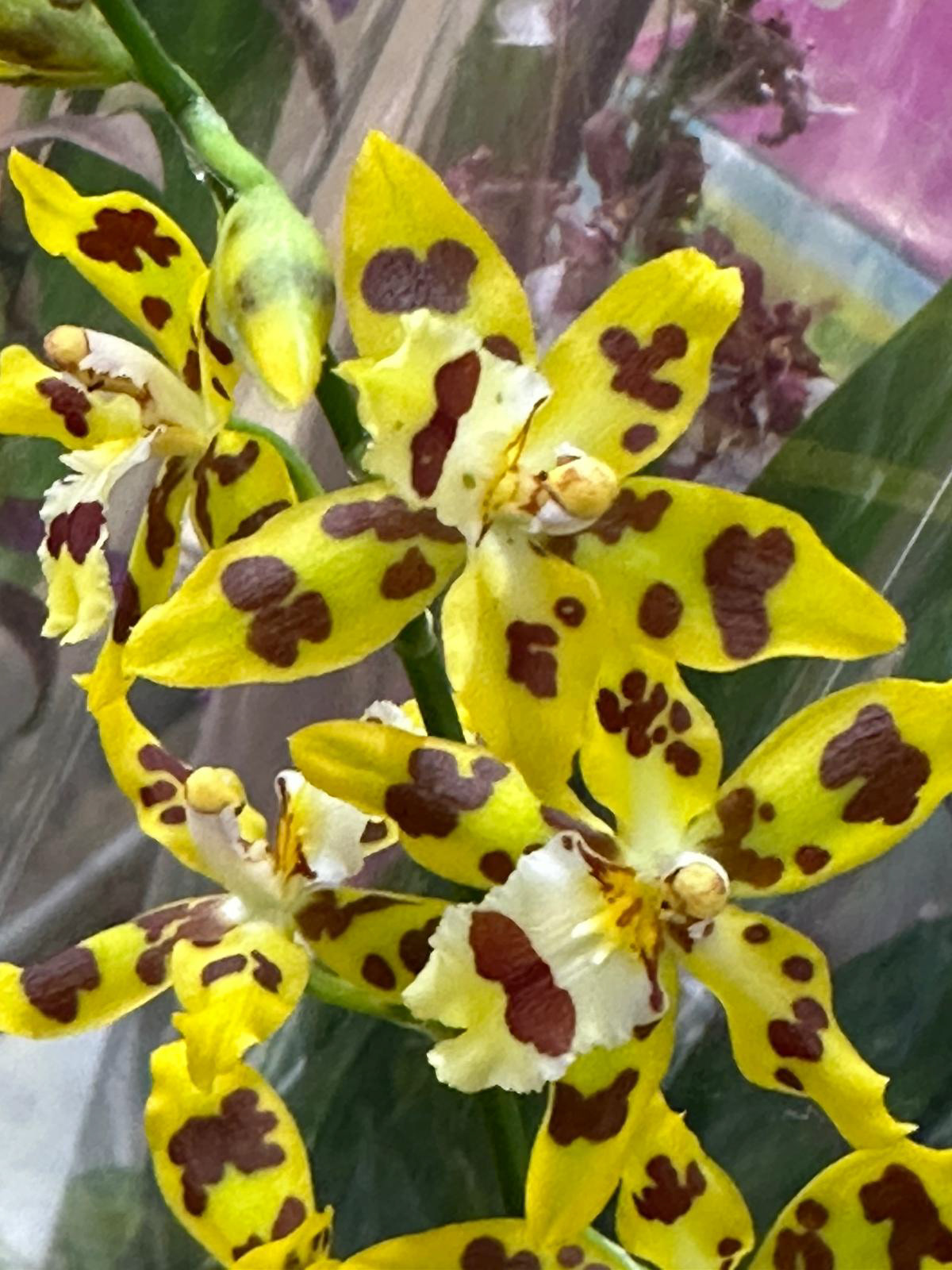
A spotted yellow orchid like the one in this photo isn’t just another pretty face; it’s a classic product of Oncidium–Odontoglossum–Miltonia breeding, a group growers often call “Cambria types.” These hybrids were created for one purpose: dependable performance. And they deliver — long branching inflorescences, dozens of flowers at once, strong color inheritance, and a growth rhythm that adapts surprisingly well to home conditions. A bloom like this, with its bright yellow petals splashed in chestnut blotches and that frilled white lip marked in burgundy, is practically a field guide in itself. The varicosum and flexuosum ancestors give the bold spots and sunny yellow base, while the Odontoglossum/Miltonia side contributes the sculpted lip and slightly heavier substance.
What makes them special for growers is how cooperative they are once the basics fall into place. These hybrids love light — more than Phalaenopsis by a long shot — and they reward it with rapid pseudobulb development and spikes that feel like they grow overnight. When a plant fails to bloom, 90% of the time it has simply been grown too dark. Give them bright filtered light, even edging toward the low end of full sun, and you’ll see the leaves firm up and the next pseudobulb swell with purpose. They’re also thirsty in a way that surprises growers used to cattleyas or phals. Those thin Oncidium roots are designed for frequent moisture cycles, not drought. Let the pot dry to a “just barely” stage, then water thoroughly; starve them of water for too long and the pseudobulbs wrinkle like deflated balloons, a clear invitation to adjust your rhythm.
Their growth habit makes care wonderfully predictable. Each new pseudobulb matures, rests briefly, then initiates a spike — the plant doesn’t hide its intentions. If the leaves stay narrow and upright, it’s getting the right light; if they broaden and arch, it’s stretching for more. Good air movement keeps the leaves clean and prevents spotting, especially if Odontoglossum genetics run strong. Repotting is easiest right as new roots appear at the base of the newest growth, which ensures the plant grabs onto fresh media instantly instead of sulking in a pot of bark it doesn’t want yet. A fine to medium bark mix with some sphagnum or lightweight additives works well — enough moisture retention to suit the roots, but enough air to keep the bulbs from rotting.
What I like most about these hybrids is how communicative they are. They don’t punish small mistakes, but they always show you what they need: wrinkled bulbs for more water, dark leaves for more light, cramped roots for repotting, a fat maturing growth for an upcoming spike. And when they’re happy, they bloom with abundance that feels almost disproportionate to the size of the plant. For home growers who enjoy reading their orchids rather than guessing, these yellow-and-brown dancers are some of the most rewarding companions on the bench.